Plastic pollution:
Posted: Wed Mar 02, 2022 11:46 am
Plastic pollution: Green light for 'historic' treaty
https://www.bbc.com/news/science-environment-60590515
The world is set to get a global treaty to tackle plastic pollution.
Nearly 200 countries have agreed to start negotiations on an international agreement to take action on the "plastic crisis".
UN members are tasked with developing an over-arching framework for reducing plastic waste across the world.
There is growing concern that discarded plastic is destroying habitats, harming wildlife and contaminating the food chain.
Supporters describe the move as one of the world's most ambitious environmental actions since the 1989 Montreal Protocol, which phased out ozone-depleting substances.
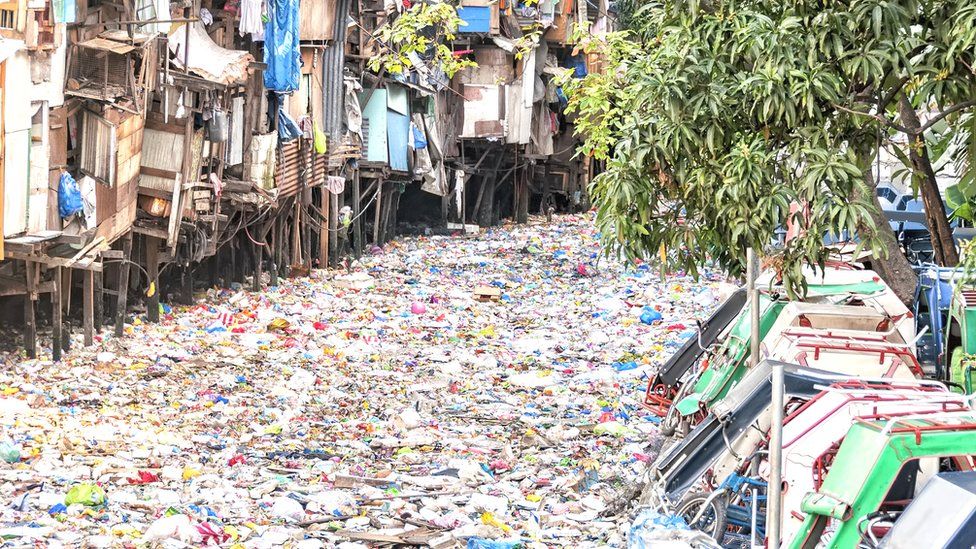
It's thought more than five trillion pieces of plastic are in the world's oceans, which can take years to break down
Each year, 400 million tonnes of plastic is produced and 40% of that is single-use - plastic only used once before it's thrown away
More than eight million tonnes of plastic enters the world's oceans each year and most of that escapes from land
Not all plastic can be recycled, either because of the way it's made or because it's too expensive or difficult to do so
Animals on land or at sea can be harmed by plastic. They can get trapped in carrier bags or food packaging or mistake plastic for food.
https://www.bbc.com/news/science-environment-60590515
The world is set to get a global treaty to tackle plastic pollution.
Nearly 200 countries have agreed to start negotiations on an international agreement to take action on the "plastic crisis".
UN members are tasked with developing an over-arching framework for reducing plastic waste across the world.
There is growing concern that discarded plastic is destroying habitats, harming wildlife and contaminating the food chain.
Supporters describe the move as one of the world's most ambitious environmental actions since the 1989 Montreal Protocol, which phased out ozone-depleting substances.
It's thought more than five trillion pieces of plastic are in the world's oceans, which can take years to break down
Each year, 400 million tonnes of plastic is produced and 40% of that is single-use - plastic only used once before it's thrown away
More than eight million tonnes of plastic enters the world's oceans each year and most of that escapes from land
Not all plastic can be recycled, either because of the way it's made or because it's too expensive or difficult to do so
Animals on land or at sea can be harmed by plastic. They can get trapped in carrier bags or food packaging or mistake plastic for food.

